
Construction
Optimising Procurement: How to Reduce Lead Times on Industrial Pipe Fittings
Learn proven strategies for streamlining your pipe fittings procurement process.
Read More →Opportunities for Industrial Suppliers in 2026
With major infrastructure projects planned across the country, industrial component suppliers are positioned for significant growth. Here's what to prepare for as South Africa embarks on an ambitious infrastructure development program that will create unprecedented opportunities for the industrial supply sector.
South Africa is entering a period of unprecedented infrastructure investment, with government and private sector initiatives totaling hundreds of billions of rand. This investment spans multiple sectors including energy, transportation, water infrastructure, and industrial development. For industrial component suppliers, this represents a significant opportunity for growth and expansion.
The infrastructure pipeline includes major projects such as power plant construction, renewable energy installations, water treatment facilities, port expansions, and transportation networks. Each of these projects requires substantial quantities of pipe fittings, valves, fasteners, and other industrial components, creating sustained demand over multiple years.
Several key sectors are driving the infrastructure investment wave. The energy sector, including both traditional power generation and renewable energy projects, represents the largest single opportunity. Water infrastructure projects, including dams, treatment plants, and distribution networks, are also creating significant demand for industrial components.
Transportation infrastructure, including road, rail, and port developments, requires extensive piping and valve systems for fuel distribution, hydraulic systems, and facility operations. Industrial parks and special economic zones are being developed across the country, further increasing demand for industrial components.
Infrastructure projects have specific requirements for industrial components that differ from standard industrial applications. These requirements often include enhanced durability, extended service life, and compliance with specific regulatory standards. Understanding these requirements is essential for suppliers seeking to participate in infrastructure projects.
Infrastructure projects typically require components with longer warranty periods, enhanced material specifications, and comprehensive documentation. The procurement process often involves pre-qualification of suppliers, detailed technical specifications, and rigorous quality assurance requirements.
Infrastructure projects must comply with multiple standards and regulations, including SANS standards, international specifications, and project-specific requirements. Components must be suitable for long-term operation with minimal maintenance, often in harsh environmental conditions.
Material specifications for infrastructure applications often exceed standard industrial requirements, with enhanced corrosion resistance, higher pressure ratings, and improved mechanical properties. Documentation requirements are also more stringent, with comprehensive traceability and certification requirements.
Infrastructure project procurement follows formal processes that differ from standard industrial purchasing. These processes typically include pre-qualification of suppliers, detailed technical evaluations, and competitive bidding. Understanding these processes is essential for suppliers seeking to participate in infrastructure projects.
The procurement timeline for infrastructure projects is often extended, with multiple approval stages and evaluation periods. Suppliers must be prepared for longer sales cycles and more detailed documentation requirements. Building relationships with project developers and engineering firms can provide competitive advantages.
Most infrastructure projects require supplier pre-qualification before participation in bidding processes. This pre-qualification typically includes evaluation of financial stability, technical capabilities, quality systems, and track record. Specific certifications may be required for different types of components.
Suppliers should invest in obtaining relevant certifications and maintaining comprehensive quality management systems. Building a track record of successful infrastructure project delivery can significantly enhance future opportunities.
The infrastructure pipeline represents a significant growth opportunity for industrial suppliers. Market analysis suggests that demand for pipe fittings, valves, and related components could increase by 30-50% over the next five years, driven primarily by infrastructure projects.
Suppliers who position themselves early to participate in infrastructure projects can establish long-term relationships that extend beyond individual projects. The scale and duration of infrastructure projects provide opportunities for business expansion and capability development.
Infrastructure development is occurring across all regions of South Africa, with specific concentrations in economic hubs and development zones. Understanding regional project pipelines and establishing local presence can provide competitive advantages.
Special economic zones and industrial parks are being developed in multiple provinces, each with specific infrastructure requirements. Suppliers should analyze regional development plans to identify the most promising opportunities for their specific capabilities.
The infrastructure investment wave is expected to continue through the remainder of the decade, providing sustained opportunities for industrial suppliers. However, the competitive landscape is evolving, with increased focus on local content, black economic empowerment, and sustainable development.
Suppliers who align their strategies with these evolving requirements and develop the necessary capabilities will be best positioned to capture the opportunities presented by South Africa's infrastructure development program. Early preparation and strategic investment will be key differentiators in this competitive market.
Valvetec Business Development
Infrastructure market specialists
Learn proven strategies for streamlining your pipe fittings procurement process.
Read More →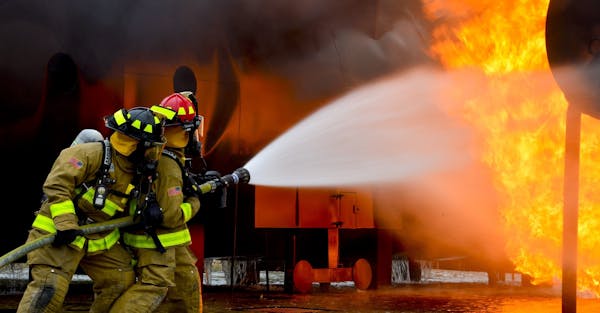
What contractors need to know about South Africa's building regulations for fire protection.
Read More →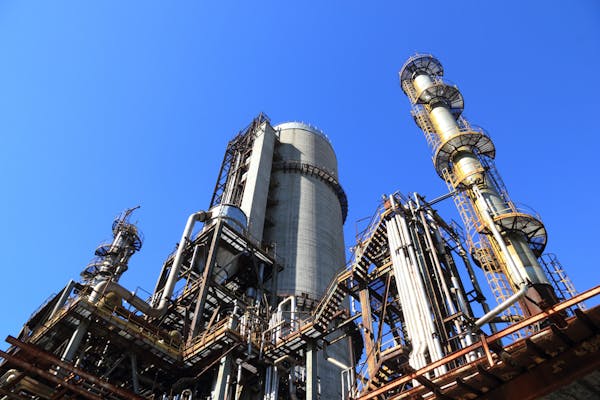
Trends shaping South Africa's supply chain and digital transformation.
Read More →