Maintenance
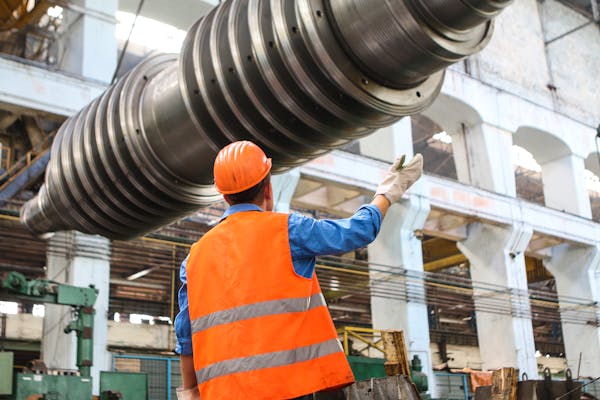
Preventive Maintenance Schedules for Industrial Valve Systems
A well-structured maintenance programme extends valve lifespan and prevents unplanned shutdowns.
Read More →Trends Shaping South Africa's Supply Chain
As South Africa's industrial sector continues to modernise, the demand for advanced valve technology and smarter supply chain solutions is accelerating. From IoT-enabled monitoring to sustainable materials, the landscape is evolving rapidly.
The industrial valve market is undergoing a significant transformation, driven by digital innovation and the need for greater efficiency. South African mining operations, manufacturing facilities, and processing plants are increasingly adopting smart valve technologies that offer real-time monitoring, predictive maintenance capabilities, and enhanced operational control.
IoT-enabled valves are no longer a luxury but a necessity in competitive industrial environments. These advanced systems provide continuous data streams on valve performance, pressure fluctuations, temperature variations, and wear patterns. For procurement managers, this means moving beyond traditional specifications to consider digital compatibility and integration capabilities.
Electric and pneumatic actuators with embedded sensors that provide real-time feedback on valve position, torque requirements, and operational status.
AI-powered systems that analyze operational data to predict valve failures before they occur, reducing downtime and maintenance costs.
Battery-powered sensors that eliminate the need for complex wiring installations, particularly valuable in retrofit projects and remote locations.
Centralized systems that allow operators to monitor and control valve networks across multiple facilities from a single interface.
Environmental regulations and sustainability goals are reshaping valve technology development. South African industries are under increasing pressure to reduce emissions, minimize leaks, and improve energy efficiency. Modern valve designs incorporate advanced sealing technologies, low-emission materials, and energy-efficient actuation systems.
The focus on sustainability extends to the entire valve lifecycle, from manufacturing processes through to end-of-life recycling. Suppliers are increasingly required to provide environmental impact assessments and carbon footprint data for their products, influencing procurement decisions and supplier selection criteria.
The traditional supply chain model for industrial valves is being disrupted by digital platforms, direct manufacturer relationships, and just-in-time delivery systems. South African companies are reevaluating their procurement strategies to balance cost efficiency with supply chain resilience and technological advancement.
Modern procurement requires a deeper understanding of valve technology trends and their impact on long-term operational costs. The lowest upfront price no longer guarantees the best value when considering factors such as energy efficiency, maintenance requirements, and technological obsolescence.
As we look toward the remainder of 2026 and beyond, several key trends will shape the industrial valve landscape in South Africa. Companies that embrace these changes and adapt their procurement strategies will gain significant competitive advantages in their respective markets.
The integration of digital technologies, sustainability requirements, and evolving supply chain models presents both challenges and opportunities. Procurement professionals who develop the necessary expertise and build strategic partnerships with technology-forward suppliers will be best positioned to navigate this transformation successfully.
Prioritize suppliers with strong digital capabilities and IoT integration experience
Evaluate environmental compliance and sustainability metrics in supplier selection
Invest in training for maintenance teams on advanced valve technologies
Develop long-term partnerships with suppliers committed to innovation
Consider total cost of ownership rather than upfront purchase price
Valvetec Expert Team
39 years of industrial supply expertise
A well-structured maintenance programme extends valve lifespan and prevents unplanned shutdowns.
Read More →
Understanding pressure ratings and material grades for extreme mining environments.
Read More →
Full material traceability ensures accountability and safety compliance throughout your supply chain.
Read More →