
Construction
Optimising Procurement: How to Reduce Lead Times on Industrial Pipe Fittings
Learn proven strategies for streamlining your pipe fittings procurement process.
Read More →Why It Matters for Your Projects
Full material traceability ensures accountability, safety compliance, and quality assurance throughout your supply chain. Here's how to implement it effectively and why it's becoming increasingly critical for industrial projects in South Africa's competitive construction and mining sectors.
Material traceability is the ability to track and trace materials and components throughout their entire lifecycle - from raw material extraction through manufacturing, processing, installation, and ultimately to end-of-life disposal or recycling. In the context of industrial pipe fittings, valves, and components, this means maintaining detailed records of every material's origin, processing history, and certification status.
For South African industrial projects, particularly in mining, oil & gas, and critical infrastructure applications, material traceability is not just a quality control measure but a fundamental safety requirement. The consequences of using non-compliant or counterfeit materials can be catastrophic, resulting in equipment failure, safety incidents, and significant financial losses.
Beyond regulatory compliance and safety requirements, material traceability provides significant business benefits. These include improved quality control, reduced warranty claims, enhanced brand reputation, and competitive advantages in projects where traceability is a specified requirement.
Investment in traceability systems typically yields strong returns through reduced rework, improved project delivery times, and enhanced customer confidence. In industries where safety and reliability are paramount, traceability capabilities can be a key differentiator in winning contracts and maintaining long-term client relationships.
South African regulations and international standards increasingly mandate material traceability for critical applications. The Pressure Equipment Regulations (PER), mining industry standards, and oil & gas specifications all require comprehensive traceability documentation for pressure-containing components.
International standards such as ISO 9001, ISO 3834 (welding quality), and various API standards provide frameworks for implementing traceability systems. Compliance with these standards is often a prerequisite for participating in major industrial projects and maintaining certification status.
The South African regulatory environment for industrial components is governed by multiple agencies and standards bodies. The Department of Employment and Labour oversees pressure equipment regulations, while the Department of Mineral Resources and Energy sets requirements for mining applications. Each regulatory body has specific traceability documentation requirements.
Compliance requires understanding the specific requirements for each industry and application, as well as maintaining documentation systems that can provide rapid access to traceability records during inspections or audits.
Effective traceability implementation requires a systematic approach that encompasses supplier qualification, documentation processes, physical tracking systems, and audit procedures. The system must be comprehensive enough to track materials from source to installation while remaining practical and cost-effective.
Modern traceability systems often incorporate digital technologies such as barcode tracking, RFID tags, and blockchain-based record keeping. These technologies provide real-time visibility into material movement and create immutable records that enhance security and reliability.
Comprehensive documentation is the foundation of any traceability system. This includes material test certificates, manufacturing records, quality control reports, and installation documentation. Each document must be properly indexed, stored, and readily accessible for inspection or audit purposes.
Digital documentation systems offer significant advantages over paper-based systems, including improved searchability, reduced storage requirements, and enhanced security. Cloud-based systems provide additional benefits for multi-site operations and remote access capabilities.
Supplier qualification is critical for maintaining traceability throughout the supply chain. All suppliers must be evaluated based on their quality systems, traceability capabilities, and compliance with relevant standards. This evaluation should include on-site audits and regular performance reviews.
Long-term partnerships with qualified suppliers provide better traceability assurance than transactional relationships. Suppliers should be integrated into the traceability system and required to maintain compatible documentation and tracking processes.
Regular quality assurance audits are essential for verifying traceability system effectiveness. These audits should review documentation completeness, verify physical material identification, and assess compliance with regulatory requirements. Audit findings should be used to continuously improve the traceability system.
Third-party certification provides independent verification of traceability capabilities and can enhance customer confidence. Certification bodies such as Lloyds Register, DNV, and local South African certification agencies offer traceability system audits and certification services.
The future of material traceability is being shaped by emerging technologies including blockchain, IoT sensors, and artificial intelligence. These technologies offer enhanced security, real-time tracking capabilities, and predictive analytics that can transform traceability from a compliance requirement to a strategic advantage.
Blockchain technology provides immutable, tamper-proof records that enhance traceability security and reliability. IoT sensors enable real-time monitoring of material conditions and location, while AI algorithms can analyze traceability data to identify patterns and predict potential quality issues.
Valvetec Quality Team
Material traceability and compliance experts
Learn proven strategies for streamlining your pipe fittings procurement process.
Read More →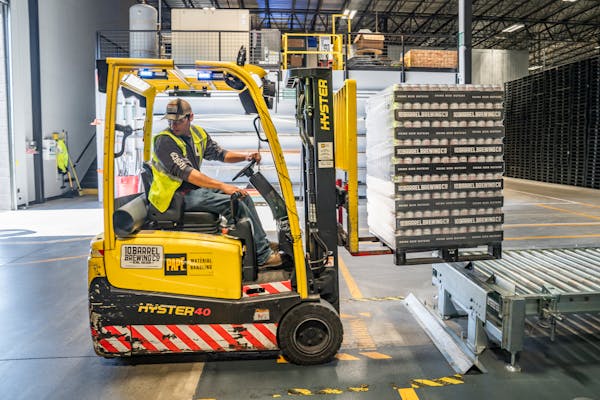
Understanding pressure ratings and material grades for extreme mining environments.
Read More →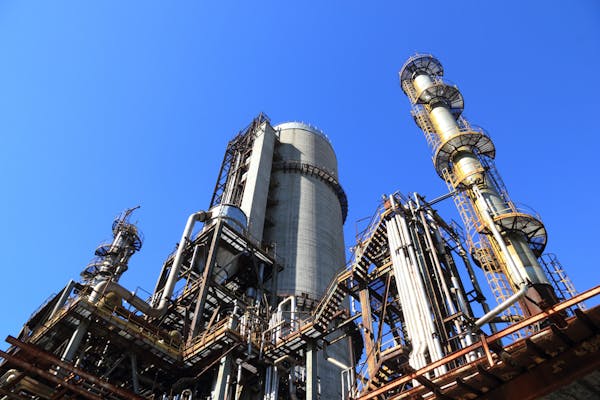
Trends shaping South Africa's supply chain and digital transformation.
Read More →