Featured
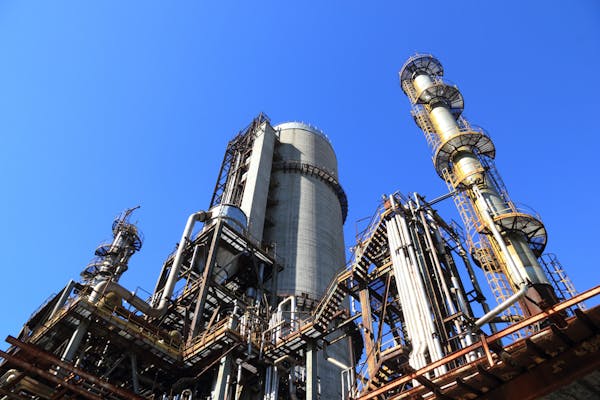
The Future of Industrial Valve Technology
Trends shaping South Africa's supply chain and digital transformation.
Read More →For Deep-Level Mining Operations
Understanding the pressure ratings, material grades, and certifications required for valves operating in extreme mining environments is essential for safety and performance. Deep-level mining operations present some of the most challenging conditions for industrial valves, requiring specialized specifications that go beyond standard industrial applications.
Deep-level mining operations in South Africa present unique challenges that demand exceptional valve performance. At depths exceeding 3 kilometers, valves must withstand extreme pressures, corrosive environments, abrasive materials, and continuous operation demands. Standard industrial valves simply cannot meet these requirements without significant modifications and specialized design considerations.
The consequences of valve failure in deep-level mining operations are severe, ranging from production downtime to catastrophic safety incidents. This makes proper valve specification not just a technical consideration but a critical safety imperative. Mining engineers and procurement managers must work together to ensure that every valve meets or exceeds the demanding requirements of these extreme environments.
The most critical specification for deep-level mining valves is pressure rating. Standard industrial valves typically operate at pressures up to 2500 psi, but deep-level mining applications often require valves rated for 5000 psi or higher. The hydrostatic pressure at depth, combined with pumping pressures and system surges, creates extreme stress conditions that standard valves cannot withstand.
When specifying pressure ratings, engineers must consider not just normal operating pressures but also maximum surge pressures, water hammer effects, and emergency shutdown conditions. ASME Class 2500 or higher ratings are typically required for deep-level mining applications, with many operations opting for custom-designed valves rated for specific pressure profiles.
Material selection is equally critical in deep-level mining environments. The combination of high humidity, acidic mine water, abrasive particles, and chemical treatments creates a highly corrosive environment that rapidly degrades standard valve materials. Standard carbon steel valves may fail within months in these conditions, requiring materials specifically engineered for corrosion resistance.
Super duplex stainless steels, nickel-based alloys, and specially coated materials are commonly specified for deep-level mining valves. These materials offer superior resistance to pitting corrosion, stress corrosion cracking, and erosion-corrosion. The material selection must also consider the specific mining environment, as different mines may have varying chemical compositions in their water and air.
Deep-level mines present significant temperature variations, from the high ambient temperatures at depth to the extreme cold of water injection systems. Valves must be specified to handle these temperature extremes while maintaining dimensional stability and sealing integrity. Thermal shock resistance is particularly important for valves that may experience rapid temperature changes during system start-up or emergency shutdown procedures.
Material thermal expansion coefficients, gasket compatibility, and actuator performance must all be considered when specifying temperature ratings. Many mining operations require valves rated for -40°C to +200°C to cover all possible operating conditions, with some specialized applications requiring even broader temperature ranges.
The abrasive nature of mining fluids, containing rock particles, sand, and other solid materials, requires valves with exceptional wear resistance. Standard valve designs quickly wear out when exposed to these abrasive materials, leading to leakage and failure. Valve internals, including seats, stems, and sealing surfaces, must be specifically designed for abrasive service.
Hardened materials, specialized seat designs, and wear-resistant coatings are essential for long-term valve performance in mining applications. The flow path design must also minimize turbulence and particle impingement, which accelerates wear. Regular inspection and maintenance schedules must be established to monitor wear patterns and plan replacements before failure occurs.
Deep-level mining operations require valves that meet stringent certification and compliance requirements. South African mining regulations, along with international standards, mandate specific certifications for safety-critical equipment. These certifications ensure that valves have been tested and proven to perform reliably in extreme conditions.
Key certifications include SANS (South African National Standards), ISO 9001 quality management, API (American Petroleum Institute) standards, and ATEX/IECEx for potentially explosive atmospheres. Documentation and traceability are critical, with each valve requiring comprehensive test certificates and material traceability records.
Beyond technical specifications, successful implementation of mining valves requires comprehensive planning for installation, maintenance, and replacement. Accessibility for maintenance, spare parts availability, and technical support capabilities are all critical factors in valve selection. Mining operations must establish partnerships with suppliers who understand the unique challenges of deep-level mining and can provide ongoing support throughout the valve lifecycle.
Regular training for maintenance personnel, detailed maintenance procedures, and comprehensive spare parts inventory are essential for maximizing valve reliability and minimizing downtime. The total cost of ownership must be considered rather than just initial purchase price, as properly specified and maintained valves will provide significantly better long-term value in mining applications.
Valvetec Mining Division
Specialists in deep-level mining solutions
Trends shaping South Africa's supply chain and digital transformation.
Read More →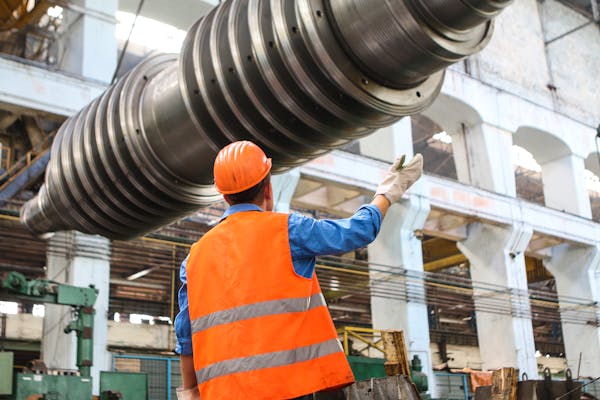
A well-structured maintenance programme extends valve lifespan and prevents unplanned shutdowns.
Read More →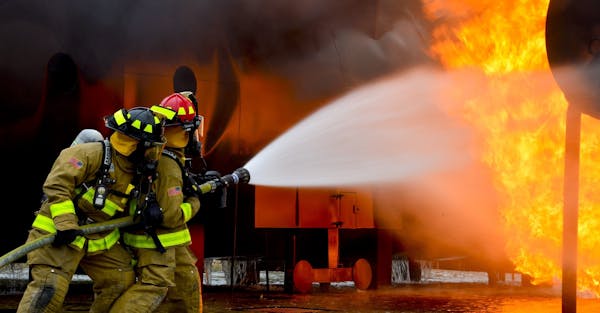
What contractors need to know about South Africa's building regulations for fire protection.
Read More →